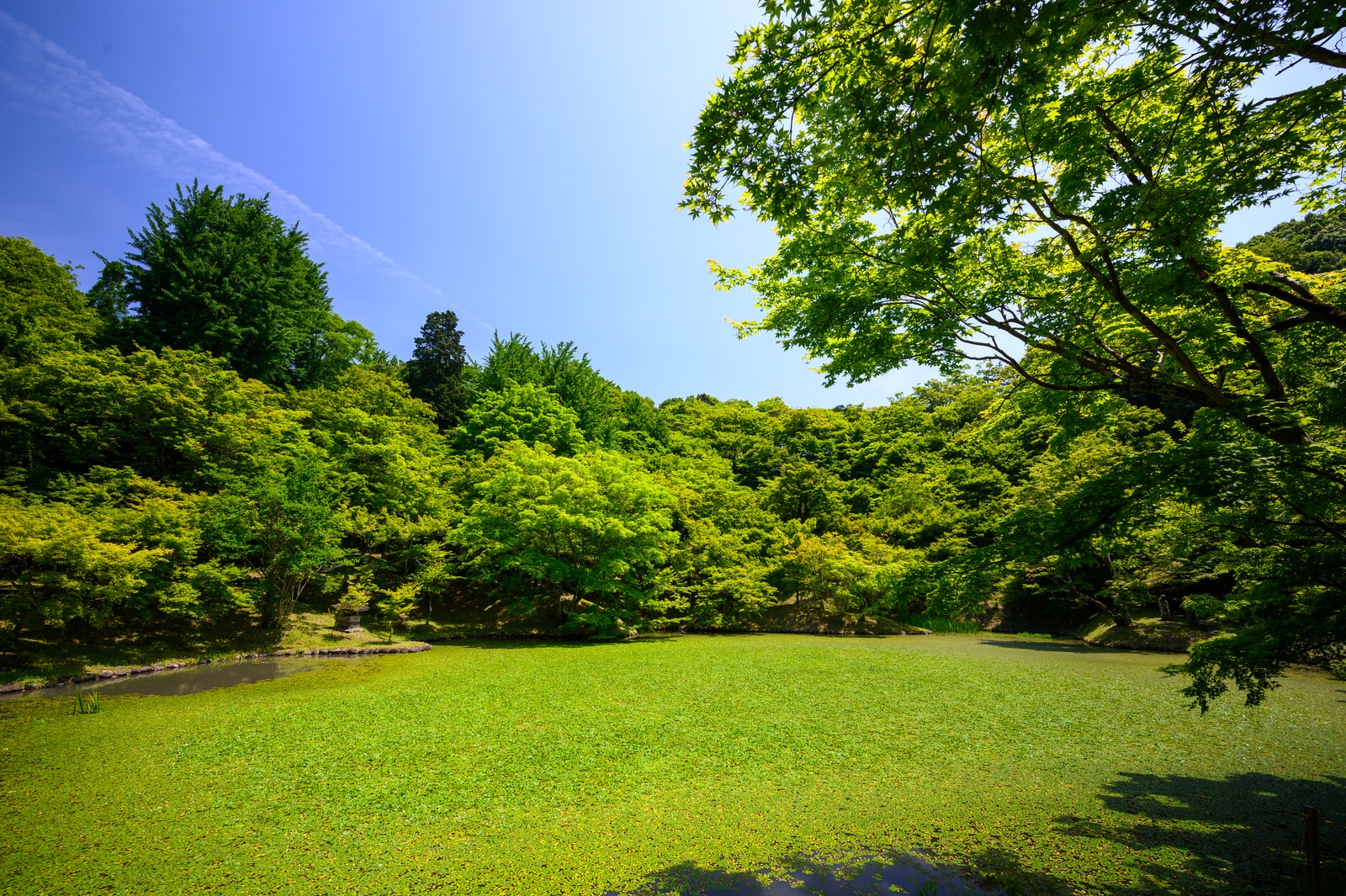
Lawn care is an important part of keeping your home look good. Maintaining a healthy, vibrant lawn can be challenging, especially in the warmer months. But there are some simple things you can do to have a green, healthy lawn year-round. Here is our top 10 list of the best lawn care tips to help you maintain a great-looking garden all season long.
1) Start with Healthy Soil
2) Fertilise Your Lawn Regularly
3) Spot Treat for Grubs
4) Keep Off the Grass
5) Use Preventative Techniques for Pests
6) Make Sure Your Mower Blades Are Sharp
7) Rake Leaves to Keep Bugs at Bay
8) Weed Your Lawn Regularly
9) Mulch Your Garden with Leaves or Shredded Paper 10) Check Out These Tips on How to Get Rid of Weeds!
Healthy soil is a must
Soil is the foundation of a healthy lawn, and it must be healthy in order to produce a healthy lawn. It’s important to make sure you have an adequate amount of organic matter in your soil before planting grass seed or sod. Organic matter will help water drain more efficiently, allowing for better oxygenation and nutrient absorption.
Organic matter also provides nutrients for the grass itself. For example, nitrogen from animal manure will help maintain root health and encourage growth of foliage.
Typically, you’ll need about three inches of organic matter on top of your soil. You can add some type of composted material, such as leaves and shredded paper, to achieve this goal.
Fertilise your lawn regularly.
In order to have a lush, green lawn you need to fertilise it regularly. You can’t just slap on some fertiliser and walk away and expect your grass to thrive. You need to fertilise your lawn at the proper time and be sure that the fertiliser is appropriate for your type of grass.
It’s important that you know how often to fertilise your lawn; this will depend on the type of grass you have. Consult with a professional or do some research online before applying any fertiliser to make sure it’s not too harsh for your grass.
Your garden will also need different types of fertiliser throughout the year depending on what season it is. For example, during the winter months, when there is less daylight, you’ll need more nitrogen in order to maintain a healthy plant and prevent it from going dormant.
Luckily, there are many different types of fertilisers available so there’s something for everyone!
Spot treat for grubs
Grubs are the larval form of various beetles. They feed on the roots of lawns, which can make your lawn discoloured and unhealthy.
Luckily, you can spot treat for grubs by applying a pesticide granule to small patches of your garden. To make sure you’re getting the best coverage, apply granules to areas where you see grubs or areas that are most severely damaged by grubs.
Spot treating for grubs is an easy way to maintain a healthy lawn without having to use an insecticide on all of it. Just remember not to use any pesticides on flowers, vegetables, fruit trees, food crops, ornamental plants or bushes.
Keep off the grass
If you’re mowing your lawn, be sure to mow the grass from one direction. This will help prevent scalping of your grass and encourage new growth.
If you have a long-haired dog at home, be sure to keep them off the lawn as well. Dogs tend to leave a lot of hair on the ground which can contribute to muddy patches developing.
Use preventative techniques for pests
Keeping pests away from your lawn is a must. When it comes to pest prevention, the best defense is a good offense.
Pests can be a major pain in the grass for any homeowner who wants to maintain a beautiful lawn. But, there are a few things you can do to prevent them from being an ever-present nuisance.
First of all, keep your garden clean and free from debris. Pests love to find shelter under fallen leaves and old pieces of furniture. Allowing bits of trash to accumulate on your property will just invite more bugs into your garden and give them more places to hide during the day.
Secondly, use some natural deterrents like cayenne pepper or crushed hot peppers. Bugs don’t seem to enjoy their smell and they will stay clear of these areas if they know what’s good for them! Just sprinkle a little around your garden or fence posts for an extra layer of protection against pesky critters.
Make sure your mower blades are sharp
Sharp blades will cut the grass cleanly, which means your lawn will be neater and healthier. Dull blades will tear the grass and leave stubble that can’t be cut away because it’s too close to the ground.
Regular sharpening of your blades is important, especially in the warmer months when more debris gets stuck between the mower deck and blade. You should sharpen your blades at least once a year or more often if you have a lot of leaves on your property.
Rake leaves to keep bugs at bay
Every year, it seems like the bugs come out of nowhere. But you don’t have to let them take over your house and garden. Actually, there are a few simple things you can do to keep bugs off your property.
One helpful technique is raking leaves. As the leaves start to fall from the trees, they provide a natural barrier from pests that might want to get into your home or garden. They also help keep moisture in the ground and add nutrients to the soil.
So if you’re wondering how to get rid of weeds or how to control pests on your property, why not give these tips a try?
Leaves are an important part of lawn care because they serve as a natural pest repellent for your garden and garden!
Weed your lawn regularly
If there’s one thing you should be doing every week to take care of your garden, it’s weeding. Weed your lawn regularly to remove any plants that are growing that you don’t want. It’ll help keep your lawn healthy and free of unwanted weed or grass growth.
You can also use a pre-emergent herbicide as a preventative measure against unwanted weeds. This product will kill weed seeds before they have a chance to grow in order to eliminate future weed growth.
Weed your lawn regularly with a good quality rotary hoe, hand weeder or hand trowel. Keep an eye out for weeds and pull them as soon as possible so they don’t take over the garden with unwanted grasses and weeds.
Mulch your garden with leaves or shredded paper
One of the best ways to prepare your garden for the winter is to mulch it with leaves or shredded paper. Mulching will keep your plants from being damaged by frost and will help keep soil moist.
Mulching can be a great way to deal with fall leaves that you rake up. Just use a leaf blower to shred them into a fine powder and then spread over your garden. This will not only help prevent pests, but also enhance the appearance of your garden!
How to get rid of weeds
Weeds are an annoying problem that can grow quickly and seem impossible to get rid of. The good news is that there are a few ways you can reduce the growth of weeds in your lawn without spending too much money.
The first way to get rid of weeds is by mulching your garden with leaves or shredded paper. Mulching will slow down weed growth by making the soil cooler and wetter. Mulch also prevents weed seeds from sprouting because it covers the ground, preventing sunlight from reaching them.
You can also use a chemical weed killer to kill weeds and keep new ones from growing. These come in liquid form and can be sprayed on your lawn as needed. Be sure not to spray these on days with high winds, as this increases the risk of herbicide drift onto other plants or flowers in your garden.
1 thought on “The Best Lawn Care Tips to Keep Your Garden Green and Healthy”