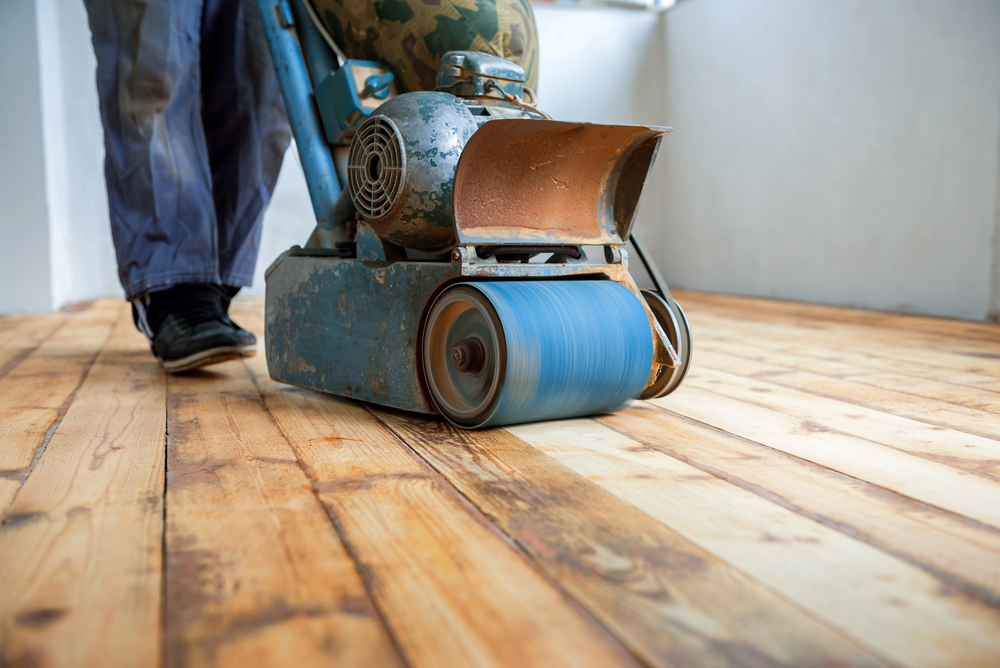
If you’re staring at tired boards and wondering whether wood floor restoration is worth the faff, you’re in the right place. Restoring real wood floors can transform a room, add value, and preserve character you simply can’t buy new, especially in UK period homes. This guide walks you through when to restore, how to plan and sand properly, the best finishes for British homes, realistic costs and timelines, and the aftercare that keeps your results looking brilliant for years.
When Restoration Is Worth It
Floors Suitable For Restoration
Solid hardwood and engineered wood with a decent wear layer (ideally 3–6 mm) are prime candidates. Original Victorian/Edwardian pine boards, oak planks, and parquet blocks typically respond beautifully to sanding and refinishing. Engineered floors can be restored a limited number of times, check manufacturer specs or measure at a threshold to confirm the top layer.
Avoid sanding laminate or veneered products with ultra-thin faces: they’ll fail. Heavily damaged subfloors, waterlogged chipboard, and floors with extensive structural issues may need more than cosmetic work.
Signs To Restore Versus Replace
Restore if you see surface wear, dullness, light scratches, minor cupping, or patchy old finish. Black water marks, pet stains, and paint splatters are usually fixable with deep sanding and targeted treatments. Gaps between boards can be filled or slivered.
Consider replacement if you’ve got: severe rot, widespread loose parquet blocks with degraded bitumen, burn-through of an engineered wear layer, or boards so thin you’d expose nails by sanding. If multiple boards bounce or the subfloor is sagging, address structural issues first.
Heritage And Moisture Considerations
In listed buildings or homes within Conservation Areas, retain original fabric where possible: restoration often aligns with heritage guidance. Before you sand, check moisture: aim for 8–12% wood moisture content and 40–60% indoor RH. Persistent damp, leaks, or unventilated crawlspaces will chew through new finishes. Solve moisture first (improve ventilation, fix gutters/flashings, install a vapour barrier if appropriate).
Planning, Preparation, And Safety
Tools And Materials Checklist
- Floor sander (drum or belt) and an edge sander
- Abrasives: 24/36, 40/60, 80, 100/120 grits: pads/screens for finishing
- M-class extractor or vacuum, dust sheets, masking tape
- Punch and nail set, scraper, pry bar
- Resin filler + sawdust or flexible gap filler: slivers for wider gaps
- Finish: water-based lacquer, hardwax oil, or penetrating oil: compatible primer/stain
- Applicators: rollers, t-bars, microfibre pads, brushes
- Moisture meter, damp meter if subfloor is suspect
- PPE: FFP2/FFP3 mask, ear defenders, safety glasses, knee pads, gloves
Room Prep And Protection
Clear the space completely. Remove or undercut thresholds if needed and take off or carefully mask skirting. Punch every visible nail at least 2–3 mm below the surface, miss one and you’ll shred belts. Lift and label any loose parquet: clean old bitumen before re-bedding blocks.
Seal doorways with plastic sheeting, remove internal doors, and protect adjacent rooms. Check for concealed staples, tacks, and historic screws. If you’ve got fireplaces, isolate and protect the hearth edge.
Dust Control, PPE, And Ventilation
Modern sanders with extraction reduce dust dramatically, but you still need control. Use an M-class extractor and vacuum between grits. Wear a respirator (FFP2/FFP3), eye protection, and ear defenders. Ventilate without creating crosswinds that blow dust onto wet finish. Turn off underfloor heating during application and follow manufacturer guidance for re-commissioning.
Sanding Done Right
Grit Sequence And Edge Work
Start as coarse as necessary, not as coarse as possible. If the floor is flat with light finish, 40 grit may suffice. For heavy varnish or ridges, begin at 24/36 grit. Work through a full sequence: 24/36 → 40/60 → 80 → 100/120, removing the scratches from the previous pass. Keep the machine moving before lowering or lifting to avoid divots.
Edges and corners need separate attention: use the edger with matching grits, then blend with a random orbital at 120. On board floors, your first pass can run diagonally to flatten cupping, then with the grain for subsequent grits. Finish with a 120 screen to achieve an even scratch pattern.
Tackling Stains, Cupping, And Old Finishes
- Deep stains: Oxalic acid can lighten iron/tannin marks on oak: follow safety guidance and neutralise. Pet stains may never fully disappear, consider darker stain or selective board replacement.
- Cupping: Take light diagonal passes, not aggressive cuts. Let seasonal moisture normalise if boards are freshly dried.
- Old wax/shellac: Scrape first to prevent gumming. Change belts frequently: dull abrasives burnish rather than cut.
Filling Gaps And Nail Holes
For hairline gaps, mix resin with fine sanding dust from your final cut for a colour match. For wider gaps, fit timber slivers with flexible adhesive, resin alone can crack. Fill nail holes after the 80-grit pass so filler sands flush and accepts finish uniformly. On parquet, avoid smearing filler across end grain: work neatly and sand promptly.
Colour And Finish Choices
Stains, Oils, Lacquers, And Hardwax Oils
- Water-based stains: Low odour, even colour, and quick drying. Great under water-based lacquers, check compatibility.
- Penetrating oils: Soak into the grain, enhancing warmth. Require periodic maintenance but are easy to refresh.
- Hardwax oils: A balanced choice, natural look, good stain resistance, spot-repairable. Usually 2–3 thin coats.
- Water-based lacquers: Very durable, fast-drying, and clear (minimal yellowing). Often 1 primer + 2 top coats.
Always sample on sanded offcuts/hidden areas. Species matters: pine can blotch with stain: oak takes stain well but reacts differently to water vs solvent formulas.
Sheen, Slip Resistance, And Durability
Sheen affects both look and maintenance. Matt and satin hide scuffs: gloss shows every mark but can look stunning in formal spaces. For hallways and kitchens, prioritise durability and slip resistance, choose finishes with good abrasion ratings and consider additives or textured coats in wet-prone areas. Look for products tested for domestic heavy wear: reputable European brands publish abrasion and slip ratings.
Drying Times And UK Climate Factors
UK temperatures and humidity can slow drying, especially in winter. As a rule of thumb:
- Water-based lacquer: touch-dry in 1–2 hours, recoat in 2–4, light use after 24, full cure in 3–7 days.
- Hardwax oil: recoat in 4–8 hours, light use after 24–48, cure in 5–10 days.
- Penetrating oil: may need 8–24 hours between coats: buff off excess meticulously.
Maintain 18–22°C and 40–60% RH for best results. Avoid aggressive ventilation between coats: keep dust down and let each coat level and cure properly.
Costs, Timelines, And DIY Vs Professional
Typical Cost Drivers And Budgeting
Costs vary by area and condition. As a ballpark in the UK:
- Professional sanding + lacquer/oil: roughly £20–£35 per m² for straightforward rooms: £35–£45+ per m² for parquet, stairs, or heavy repairs.
- DIY hire: drum/belt sander £50–£70 per day, edger £30–£40 per day, abrasives £60–£120 for an average room, finishes £30–£90 per litre. Don’t forget fillers, PPE, and sundries.
Price drivers include: floor condition (repairs = time), layout (alcoves, radiators, stairs), chosen finish, and number of coats. Factor in contingency for board replacement or unexpected subfloor issues.
Project Timeline, Drying, And Curing
A typical 20–25 m² room might run:
- Day 1: Prep, coarse and medium sanding, first fill
- Day 2: Fine sanding, final filling, first coat
- Day 3: Light denib, second coat: third coat if required
Add curing time before heavy furniture or rugs. You can usually walk in socks after 24 hours, but avoid moving heavy items until the finish has reached its stated cure window.
When To Hire A Professional
Consider a pro if you have:
- Severe cupping/crowning, extensive stains, or thin boards
- Historic parquet with loose blocks or bitumen residue
- Complex staining/colour work, stairs, or borders with inlays
- Limited time or nearby sensitive areas (baby, home office, open-plan living)
A good contractor brings dust-controlled machinery, experience with tricky substrates, and product warranties, often saving you money versus a costly redo.
Aftercare And Long-Term Maintenance
First 7–14 Days: What To Avoid
Treat the floor gently while it cures. No rugs for at least a week (longer for oils). Keep pets’ nails trimmed and skip high heels. Lift, don’t drag, furniture, and fit felt pads before anything touches down. Avoid wet mopping: a barely-damp microfibre is fine after the first week if needed.
Routine Cleaning And Protection
- Vacuum regularly with a soft brush head.
- Clean with a pH-neutral wood floor cleaner: avoid steam mops and harsh chemicals.
- Use doormats at entrances and protective runners in high-traffic zones.
- Maintain stable RH (40–60%) to minimise seasonal movement: a small humidifier in winter can help.
Refresh Coats And Spot Repairs
Lacquered floors benefit from a light abrade and recoat every 3–5 years in busy areas, far cheaper than a full resand. For oiled and hardwax oiled floors, apply maintenance oil as traffic dictates, focusing on kitchens and hallways. Small dents can often be disguised with a colour wax stick: isolated deep damage might warrant a board swap. Keep a note of the finish brand and colour for future touch-ups.